)
3 Best Waterfall Hikes Near Moshi: Complete Guide 2026
Materuni, Ndoro, and Kwa Mambori - the three spectacular waterfalls at the foot of Kilimanjaro. Swimming, coffee ceremonies, ancient caves, and the best day hikes in Tanzania.


⚡ Quick Comparison: Which Waterfall Is Right for You?
Materuni Falls
MOST POPULAR
Height:90-150m
Distance:15km (45min)
Hike Time:45-60min
Difficulty:Moderate
Swimming:Yes
Best For:Culture + Nature
Price:$34-80
Includes: Coffee ceremony, traditional lunch, village walk
Ndoro Falls
MOST DRAMATIC
Height:Multi-tier
Distance:30km (50min)
Hike Time:45-60min
Difficulty:Moderate
Swimming:Yes
Best For:Caves + History
Price:$30-40
Includes: Chagga caves, museum, Monjo Falls nearby
Kwa Mambori
HIDDEN GEM
Height:80-120m
Distance:10km (20min)
Hike Time:45-90min
Difficulty:Moderate
Swimming:Yes
Best For:Colonial History
Price:$35-60
Includes: Mangi Meli Museum, village walk, least touristed
Why These Waterfalls Matter
Moshi is known as the launch point for Kilimanjaro. What it is less known for, but should be, is the extraordinary collection of waterfall hikes sitting directly on its doorstep. Within 15 to 30 kilometers of town, three spectacular waterfalls drop off the lower slopes of Africa's highest mountain through dense rainforest, coffee plantations, and Chagga village land.
None require technical climbing skills, specialist equipment, or permits. All can be done in a day. And they are, quietly, among the best day hikes in East Africa.
I have done all three during time spent living in Moshi. This guide is the one I wish I had when I arrived: specific about distances, honest about difficulty, clear about which waterfall suits which kind of traveler, and practical about how to get there and what to bring.
🎯 Who This Guide Is For
Kilimanjaro climbers using pre/post-trek days for acclimatization
Families with children 8+ wanting genuine adventure without extreme fitness
Budget travelers - all three can be done affordably
Nature and photography enthusiasts
Expats in Moshi looking for weekend escapes
Materuni Falls: The Complete Package (Most Popular)
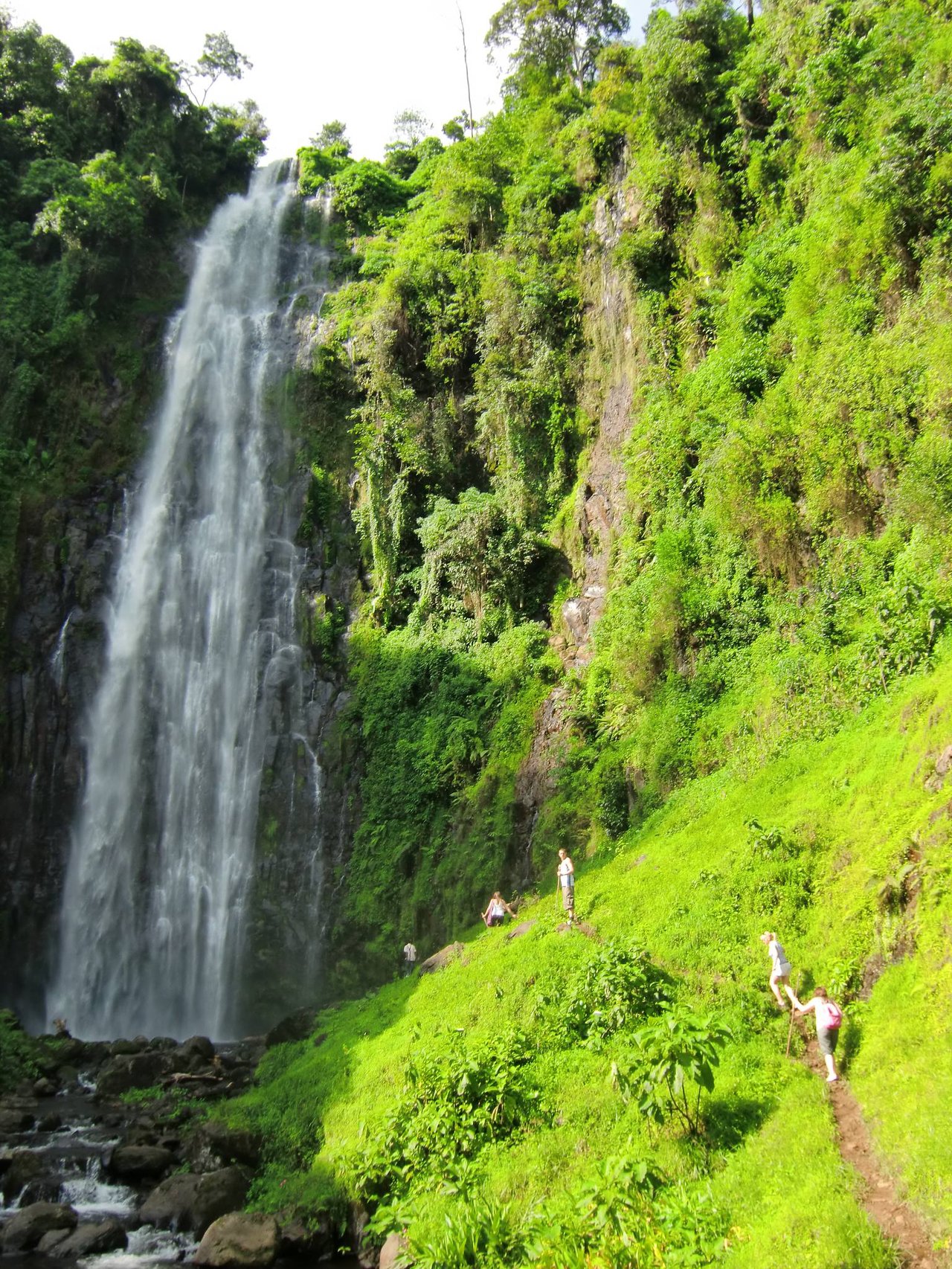
Materuni is the most visited waterfall near Moshi, and it earns the attention. Located 15 kilometers north of town at roughly 1,600 meters altitude, it drops 90-150 meters into a natural pool fed by glacial meltwater from Kilimanjaro.
But what makes Materuni more than just a waterfall is the package built around it. The Chagga coffee ceremony takes you from picking cherries off 75-year-old trees to roasting, grinding (with traditional songs), and brewing by hand. Lunch is prepared by the host family using produce from their own land. The combination is what makes reviewers consistently describe it as a trip highlight.
The Experience
The hike starts at Materuni village registration office. The trail descends through coffee and banana plantations, passes alongside irrigation canals the Chagga carved centuries ago, and opens eventually to the waterfall in a narrow valley. Total walking: ~8km with 320m elevation change.
“The hike was absolutely beautiful and a perfect introduction to Tanzania. The women welcomed us and fed us some of the best food we had throughout our trip. The coffee experience was a highlight.”
Key Details
Distance from Moshi: 15km, 40-45 minutes
Hike: 8km round trip, 45-60 minutes one way
Elevation: 1,600m village; 320m total change
Difficulty: Moderate - muddy in wet season, hiking boots essential
Swimming: Yes - cold natural pool
Best combined with: Coffee ceremony + traditional lunch (adds 2-3 hours)
Cost: $34-80 depending on operator and inclusions
⚠ Important Notes
Trail genuinely slippery in wet season - boots non-negotiable
Coffee and lunch add real depth; waterfall alone worth more with full day
Rubber boots sometimes available at trailhead
Book directly with family-run operators for best value and authenticity
Ndoro Falls: The Dramatic One (Best for Caves)
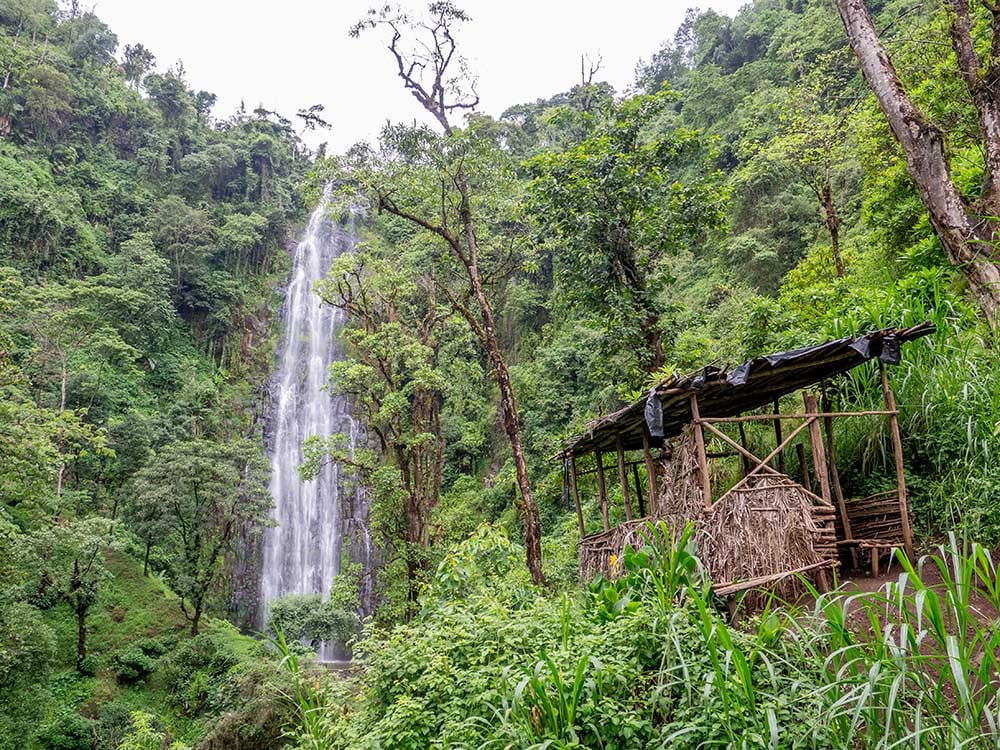
Ndoro is the main waterfall at Marangu, 40km east of Moshi. The name means "nature" in local dialect, and the waterfall delivers the mist-in-your-face impact that makes you feel you have earned it. Source: glacial water from Kilimanjaro.
The hike is 5.5km out and back with 212m elevation change. The descent takes 45-60 minutes; the return climb is where you feel it. One reviewer noted climbing the equivalent of 25 flights of stairs on return - accurate enough to set expectations.
Why Choose Ndoro
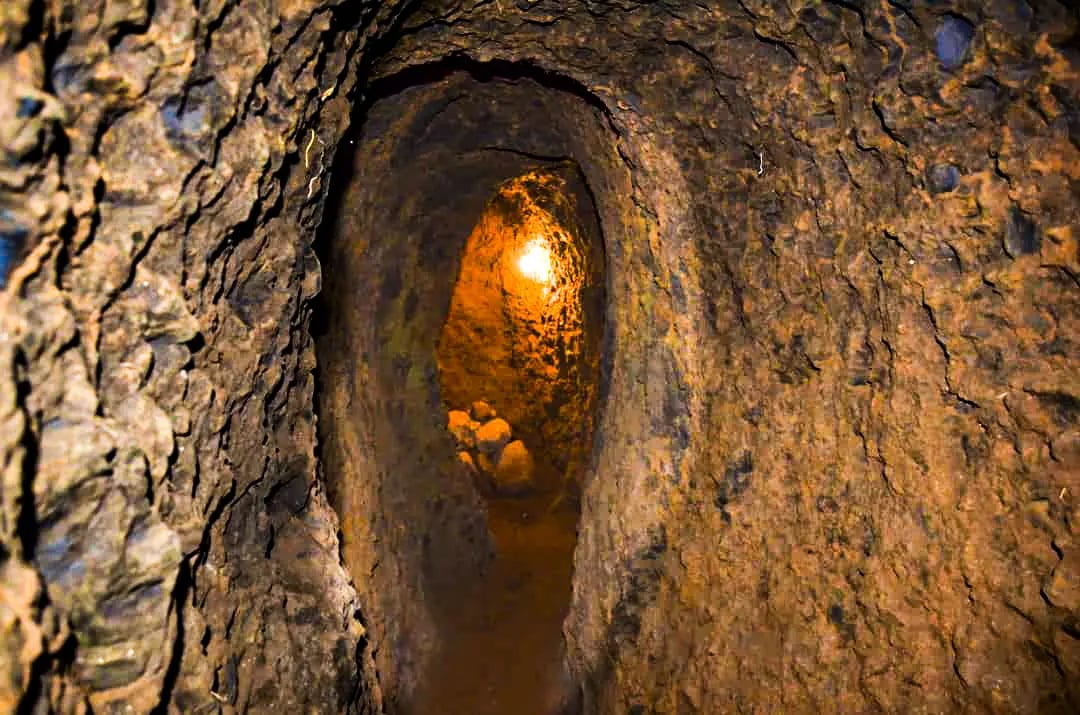
The Marangu area has the Chagga Museum and cave system accessible nearby, making this a natural pairing for a full cultural day. The caves where Chagga people hid from Maasai raids for weeks are historically striking and best with a knowledgeable guide.
A short walk from Ndoro is Monjo Falls - smaller, but surrounded by ferns with a beautiful swimming hole. In dry season it is quiet for swimming and cliff jumping.
Key Details
Distance from Moshi: 30-40km, 40-50 minutes
Hike: 5.5km round trip, 45-60 minutes each way
Elevation change: 212m
Swimming: Yes — rocky river bottom, water shoes recommended
Entry fees: ~$10 USD for Ndoro; $10 for Monjo; $10 for caves
Best combined with: Chagga Museum + cave exploration
Cost: $30-40 total with local guide
“The falls are quite beautiful and worth the trip. The farming environs and small homes and friendly people are the real draw.”
Kwa Mambori: The Hidden Gem (Best for History)
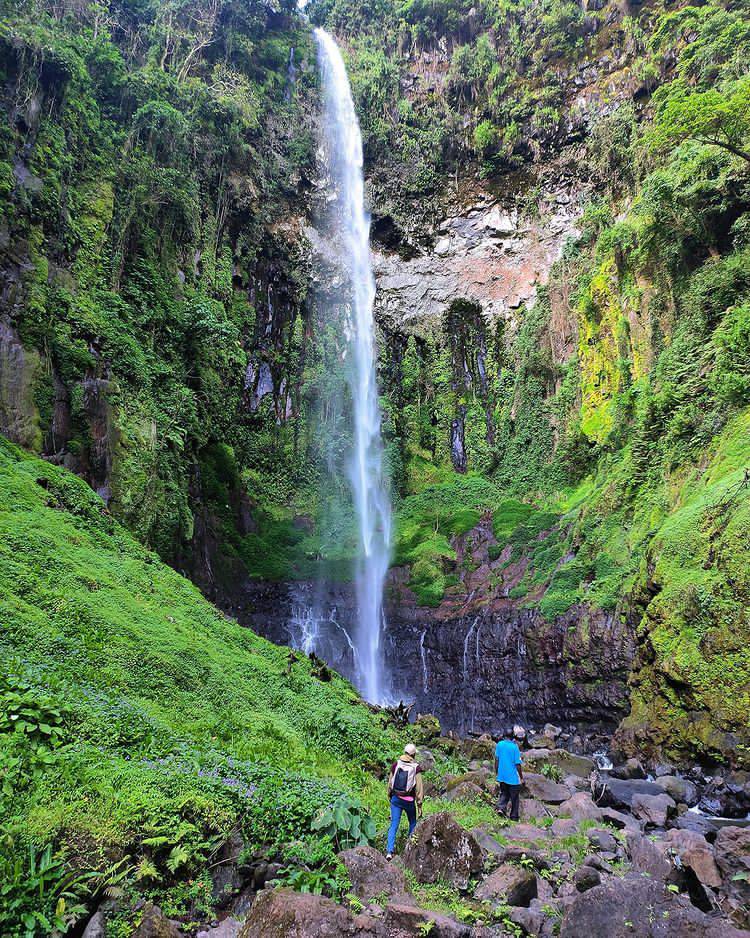
Kwa Mambori is the least-visited of the three, which is precisely why it deserves attention. Located in Old Moshi, roughly 10-15km north of Moshi town (15-20 minutes), it drops 80-120 meters - claimed by guides to be the tallest waterfall in the Kilimanjaro region.
Old Moshi is historically significant. It was established by German colonists in the early 1890s and served as the original administrative center. The story of Mangi Meli - the last great Chagga chief, hanged by Germans in 1900 for leading resistance - is told here with specificity only local guides can give.
The Experience
The hike descends through valleys and water streams to the falls, 45-90 minutes depending on pace. The landscape is rolling and green with panoramic Kilimanjaro foothill views. The winding footpaths were carved by Chagga inhabitants centuries ago and are still used daily.
Key Details
Distance from Moshi: 10-15km, 15-20 minutes (closest!)
Hike: 4-6km, 45-90 minute descent
Height: 80-120m
Swimming: Yes - natural pools at base
Best combined with: Mangi Meli Museum, village walk, coffee farm
Operator: Old Moshi Cultural Tourism Enterprise
Cost: $35-60 with guide and inclusions
✓ Why Choose Kwa Mambori
Far fewer tourists than Materuni or Ndoro
Most intellectually engaging of the three (colonial history)
Closest to Moshi town - good if time is tight
More personal guide time, less infrastructure
Perfect if you have already done Materuni
How to Choose: Decision Framework
Choose Materuni If You Want:
The full cultural immersion day (coffee + lunch + waterfall)
The most complete package experience
Top-rated day tour in Moshi region
Family-run authentic operation
Choose Ndoro If You Want:
Dramatic waterfall with powerful mist
Underground caves and Chagga history
Shorter hike but harder return climb
Most affordable option ($30-40 total)
Choose Kwa Mambori If You Want:
Something less touristed and more personal
Colonial history and Mangi Meli story
Closest major waterfall to Moshi
Different experience if you have done Materuni
💡 Pro Tip: Combining Waterfalls
Popular combo: Materuni morning + Kikuletwa Hot Springs afternoon (several operators run this as single package)
Skip: Ndoro + Kikuletwa same day (too much distance, reviewers advise against)
Practical Information: What to Bring & Costs
Essential Packing List
Hiking boots with grip - non-negotiable on all three
Swimsuit and quick-dry towel - all three have swimmable pools
Light rain layer - weather changes quickly on mountain
Sun protection: sunscreen and hat
Water (operators usually provide, but bring extra)
Cash for tips, fees, local purchases
Camera - all three are extremely photogenic
Insect repellent for forested sections
What to Wear
Out of cultural respect for Chagga communities: avoid shorts and sleeveless tops in villages. Light long trousers and sleeved shirt are appropriate and practical. Swimsuit under clothes for easy waterfall swimming.
Cost Breakdown
| Option | Price Range | What's Included |
|---|---|---|
| Materuni (local operator) | $35-60 | Coffee ceremony, lunch, guide, transport |
| Materuni (GetYourGuide) | $60-90 | Same inclusions, easier booking |
| Materuni (independent) | $20-30 | Daladala + village guide only |
| Ndoro + caves | $30-40 | Entry fees + guide, most affordable |
| Kwa Mambori full day | $35-60 | Guide, lunch, museum, village walk |
💰 Tipping Guide
Customary and appreciated: $5-10 USD per guide per day minimum. For exceptional service, consider $10-15.
Ready to Explore Kilimanjaro's Waterfalls?
Book directly with local operators for best value and authentic experience. Your payment supports Chagga families directly.
Final Verdict: Which Waterfall Should You Choose?
If you are spending any time in Moshi - before a climb, after a safari, or simply exploring this remarkable part of Tanzania - at least one of these waterfall hikes should be on your itinerary.
My recommendation: If you can only do one, choose Materuni for the complete cultural package. If you have two days, add Kwa Mambori for colonial history or Ndoro for dramatic caves. If you are a waterfall completist, do all three - they each offer something genuinely different.
These are not just day trips. They are doorways into understanding the Chagga people, the coffee that made this region famous, and the mountain that defines everything about life here.
The waterfalls are waiting. Pack your boots and go.
Related Kilimanjaro Guides
→ Chagga Village Cultural Tour: Complete Review & Guide
→ Complete Kilimanjaro Climbing Guide: Routes, Costs, Success Rates
→ Moshi Town Guide: What to Do Before & After Your Climb
→ Kikuletwa Hot Springs: Natural Swimming Paradise Near Moshi