)
Mkomazi National Park: Rhinos, Wild Dogs, and Zero Crowds
Tanzania's Best-Kept Secret

While everyone else crowds the Serengeti, you'll have red dust, mountain views, and endangered species mostly to yourself.
Mkomazi is the underdog of Tanzania's northern circuit. It's dry, rugged, and empty in the best way possible. While everyone else is fighting for a view of a lion in the Ngorongoro Crater, you'll have Mkomazi's red dust and mountain views mostly to yourself.
Why Mkomazi? Forget the Big Five Checklist
Let's be honest: Mkomazi isn't going to give you the classic "endless plains full of wildebeest" safari fantasy. That's not what you come here for.
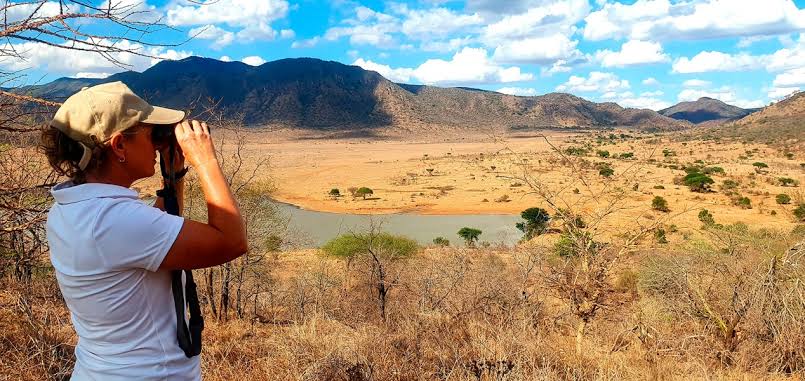
You come to Mkomazi for the silence. You come for landscapes that look like they've been painted in burnt sienna and ochre. You come because on a clear day, Kilimanjaro looms in the distance like a snow-capped exclamation point at the end of a sentence written in dust.
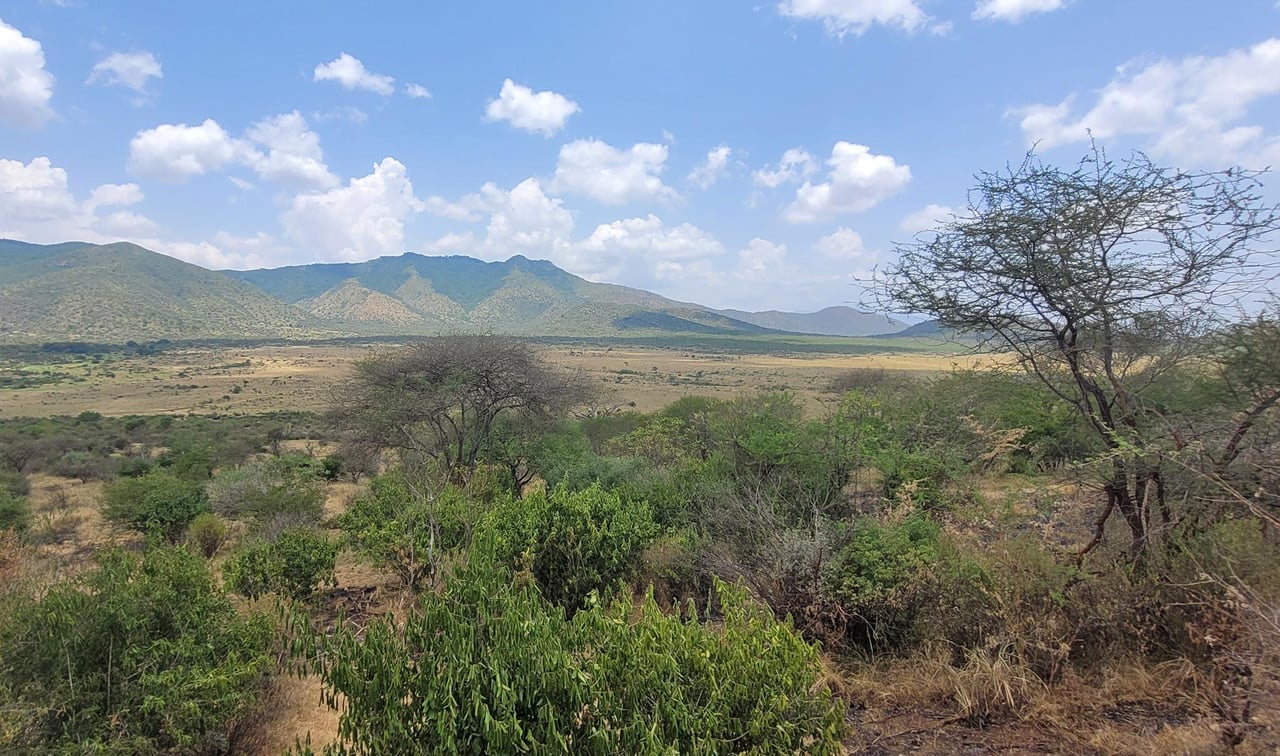
This is the only park in Tanzania where you get that genuine Sahel desert vibe - the dry, open scrubland stretching endlessly beneath impossibly blue skies, framed by the dramatic Usambara and Pare Mountains.
The red-orange soil contrasts so sharply with the blue-grey mountains that it almost doesn't look real. It looks like a painting. Like those wilderness scenes that make you stop scrolling and actually stare.
“Mkomazi doesn't try to compete with the Serengeti's drama or Ngorongoro's density. It offers something rarer: space, quiet, and the feeling that you've discovered something most people miss.”
Luck Mwaifuge, Travel Specialist.
The real magic? You might drive for an hour without seeing another vehicle. In Tanzania's northern circuit, that's basically a superpower. The tourism infrastructure here is deliberately low-key. No massive lodges, no convoy of safari vehicles, no jockeying for position around a leopard. Just you, your guide, and the landscape.
The Heavy Hitters: Black Rhinos and African Wild Dogs
Mkomazi has two conservation programs that transform it from "interesting alternative" to "you need to go there." We're talking about two of Africa's most endangered and elusive species: Black Rhinos and African Wild Dogs.
Black Rhino Sanctuary
The Mkomazi Rhino Sanctuary is the primary reason most people add this park to their itinerary. Here's the deal: you are almost guaranteed to see a Black Rhino. Read that again. In a continent where spotting these critically endangered animals is nearly impossible, Mkomazi offers near-certainty.
The sanctuary is fenced, heavily guarded by armed rangers (poaching is a real threat), and home to a small but growing population. You'll do a special guided drive into the protected area - your regular park entry doesn't cover this; there's an additional fee - and rangers will take you close enough to observe these prehistoric-looking giants.
African Wild Dogs
Then there are the African Wild Dogs -arguably even rarer than rhinos and infinitely more chaotic. These social, pack-hunting carnivores are found in only a handful of places across Africa. Mkomazi runs one of the continent's most successful breeding programs.
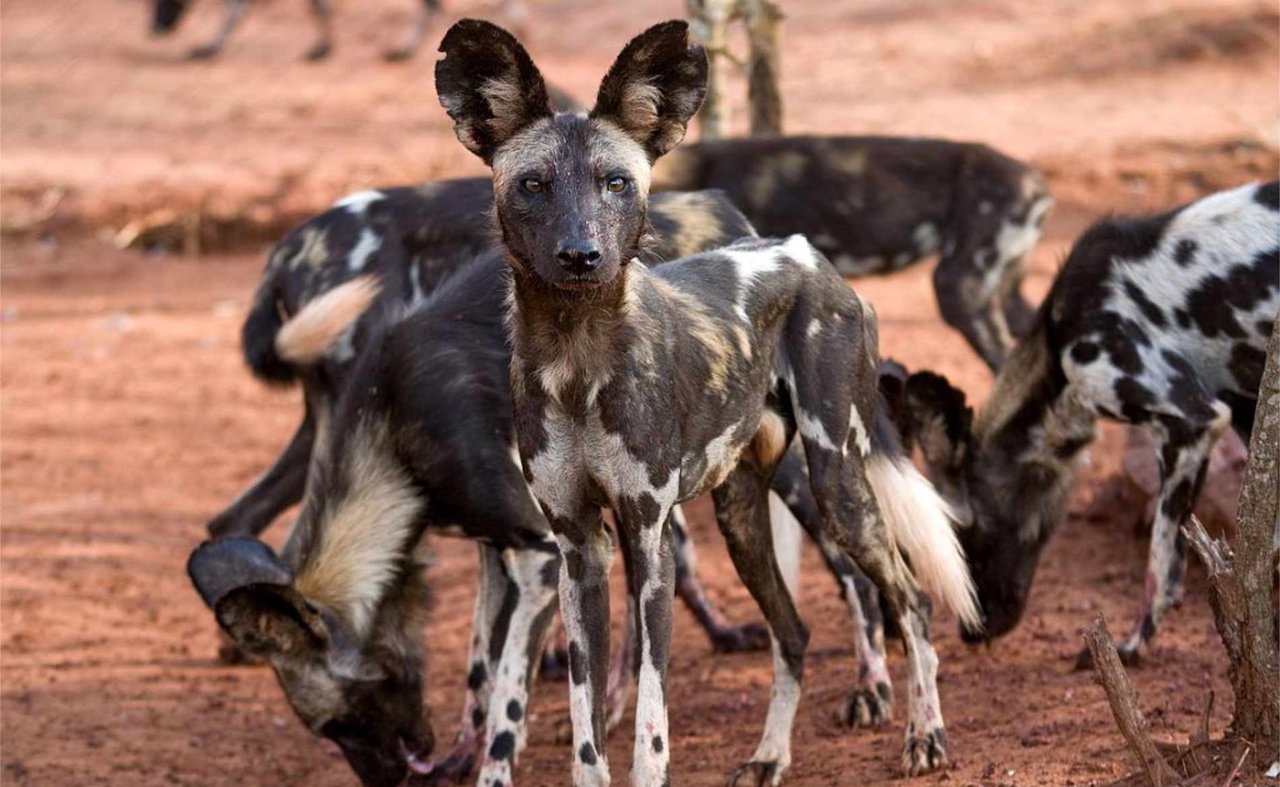
Spotting a wild dog pack is pure lottery in most parks. Here, your odds improve dramatically. When you do see them, it's mesmerizing: the painted coat patterns, the enormous ears, the frenetic energy as they communicate with squeaks and chirps. Watching them hunt is like watching coordinated chaos.
Setting Expectations: The rhino sanctuary visit is a near-guarantee (95%+ sighting rate). Wild dogs are harder - maybe 30-40% chance depending on season and luck. But here's the thing: even attempting to see wild dogs in most parks is pointless. Mkomazi gives you an actual shot.
Beyond the headliners, Mkomazi delivers solid supporting cast: elephants, giraffes, zebras, oryx, gerenuk (those impossibly long-necked antelopes), and if you're patient, leopards. The birdlife is exceptional - over 450 species recorded, including some rarities you won't find in wetter parks.
Bring binoculars. Seriously. The birdlife here is insane. Raptors, ostriches, bustards, and dozens of species that thrive in arid environments. If you're even mildly interested in birds, Mkomazi will surprise you.
Logistics: The "Same" Connection
Here's why most people miss Mkomazi: they base themselves Arusha or Moshi, hit the big-name parks (Serengeti, Ngorongoro, Tarangire), and never venture to the eastern side of the northern circuit. The park sits right next to a town called Same (pronounced Sah-meh), which most travelers have never heard of.
Getting to Mkomazi
Main Entrance: Zange Gate is the primary entrance, located right off the main Arusha-Dar es Salaam highway. You literally can't miss it if you're driving past.
From Moshi
~3 hours
From Arusha
~4 hours
From Same Town
~30 minutes
The Perfect Stopover: Mkomazi works brilliantly as a stopover if you're driving between the northern circuit and the coast - heading to Tanga, Pangani, or even down to Dar es Salaam. Break up the long drive with a night in Mkomazi or Same. You get a full safari experience without backtracking.
Road Conditions: The main highway to Zange Gate is paved and smooth. Inside the park, roads are dirt tracks that can get rough, especially after rain. A 4x4 is strongly recommended, particularly in the wet season. Standard vehicles might manage in dry season but you'll be limited in where you can go.
The Money Talk: What It Actually Costs (2026)
| Item | Cost (USD) | Notes |
|---|---|---|
| Park Entry Fee (Adult) | $30 | Per person, per day. Foreign non-residents |
| Park Entry Fee (Child 5-15) | $10 | Significant family discount. |
| Vehicle Fee (under 2000kg) | $40 | Per vehicle, per day. |
| Rhino Sanctuary Entry | $30 | Additional fee per person. Worth every cent. |
| Guide Fee | $20-20 | Mandatory for rhino sanctuary, recommended for park. |
| Camping (Public Site) | $30 | Per person, per night. Basic facilities. |
Example Calculation: Two adults doing a day trip with rhino sanctuary visit = $60 (park fees) + $60 (rhino sanctuary) + $40 (vehicle) + $25 (guide) = $185 total. That's significantly cheaper than equivalent Serengeti or Ngorongoro experiences, often by 40-50%.
When to Go: Timing Matters
Mkomazi is visitable year-round, but your experience will vary dramatically based on when you arrive. Here's the honest breakdown:
✓ Best Time: June to October
Why it's ideal: This is the dry season. The grass is shorter, making wildlife spotting significantly easier. Animals concentrate around permanent water sources like the Dindira Dam, meaning you know where to find them. Roads are in better condition. Visibility is excellent.
Wildlife behavior: Elephants and other large mammals cluster around waterholes. Predators follow the prey. It's a classic dry-season safari setup.
Trade-off: Slightly busier than other times (though "busy" in Mkomazi still means quiet compared to most parks). Some areas look very dry and brown - beautiful in a stark way, but not lush.
⚠ Rainy Season: March to May
The reality: Grass grows tall. Animals disperse across the park since water is everywhere. Spotting becomes harder. Roads can become muddy and challenging, sometimes impassable without serious 4x4 capability.
The upside: The landscape transforms. Everything turns green. Birdlife explodes - migratory species arrive, breeding displays happen. You'll likely have the park almost entirely to yourself. Dramatic storm clouds and lighting create stunning photography opportunities.
Who it's for: Adventurous travelers, serious birders, photographers chasing dramatic skies, and anyone who doesn't need guaranteed rhino-elephant-giraffe sightings and prefers solitude.
Shoulder Months (November, February-early March): These are the Goldilocks periods. Not too dry, not too wet. Wildlife still somewhat concentrated, roads manageable, landscape has color, and tourist numbers are minimal. If you have flexibility, target these windows.
Mkomazi vs The Big Names: When to Choose the Underdog
Mkomazi vs Serengeti: Different Animals Entirely
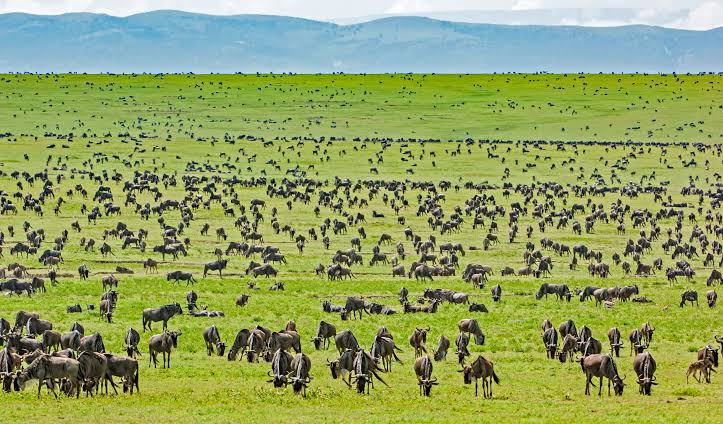
Let's address this directly: Mkomazi is not Serengeti National Park. It's not trying to be. Comparing them is like comparing jazz to rock - they're both music, but they serve entirely different moods.
Choose Serengeti If You Want:
The Great Migration spectacle
Near-guaranteed Big Five sightings
Classic "Endless Plains" Africa imagery
World-class lodges and infrastructure
That bucket-list safari moment
Lots of wildlife action and density
Choose Mkomazi If You Want:
Solitude and uncrowded safari
Near-guaranteed Black Rhino sighting
Rare African Wild Dogs experience
Desert-mountain landscapes (not plains)
Authentic, under-the-radar adventure
Significantly lower costs
The Smart Move: Do both. If you're doing a northern circuit safari, add Mkomazi as a 1-2 night extension. You get the iconic Serengeti/Ngorongoro experiences PLUS the conservation-focused, intimate Mkomazi experience. It's the difference between seeing Tanzania's greatest hits and also discovering the deep cut that becomes your favorite song.
Mkomazi vs Tarangire: Closer Comparison
This is actually the fairer comparison. Both Mkomazi and Tarangire National Park are drier parks, both offer something different from the Serengeti crowd, both have specific conservation stories.
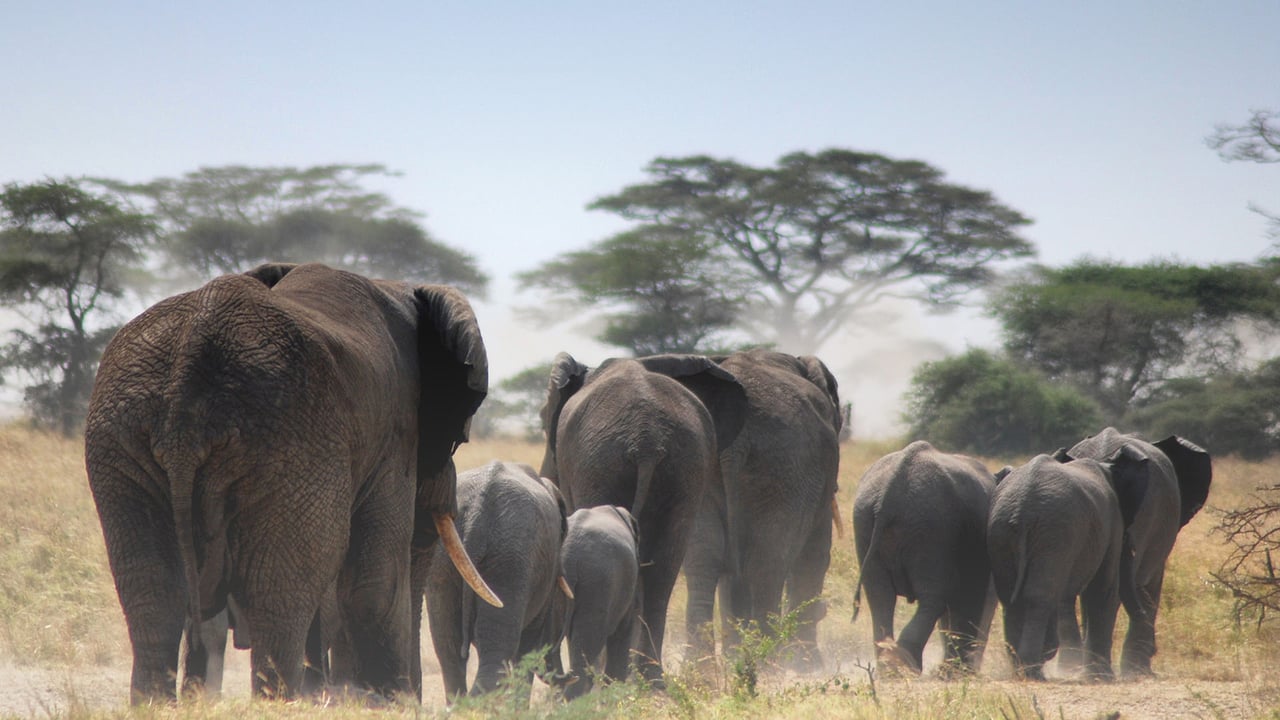
Tarangire's advantages: Massive elephant herds (some of the highest densities in Tanzania), iconic baobab trees, more established infrastructure, easier access from Arusha.
Mkomazi's advantages: Black rhino sanctuary, African wild dog program, more remote feel, stunning mountain views, cheaper, far fewer tourists.
The verdict: If you can only do one, Tarangire offers easier logistics and more dramatic elephant experiences. But if you're doing multi-park itineraries, Mkomazi adds unique value that Tarangire can't match (rhinos, wild dogs, true solitude).
Sample Itineraries: Making Mkomazi Work
Option 1: The Day Trip from Moshi/Arusha
Timeline: 6:00 AM departure → 3-hour drive → Full day in park with rhino sanctuary visit → Return by evening
Pros: No need to arrange overnight accommodation in/near Mkomazi. Doable with most safari operators.
Cons: Long day with a lot of driving. Less time to explore the park properly. Miss the magic hour lighting.
Best for: Travelers on tight schedules who want to add Mkomazi without extra nights.
Option 2: The Overnight Adventure (Recommended)
Timeline: Afternoon arrival → Evening game drive → Overnight in park or Same → Morning rhino sanctuary visit → Mid-morning departure
Pros: Experience the park at best times (early morning, late afternoon). No rushed driving. Sleep under stars if camping. Actually feel the place.
Cons: Requires camping gear or booking one of the limited accommodations. Adds extra cost/logistics.
Best for: Anyone who wants more than just a "check the box" visit. This is the way to do Mkomazi properly.
Option 3: The Coastal Connection Stopover
Timeline: Morning drive from Arusha/Moshi → Afternoon in Mkomazi → Overnight → Morning rhino visit → Continue to Tanga/Pangani/Bagamoyo
Pros: Perfect for travelers doing northern circuit + coast combination (which is common). Breaks up the long drive. Two different Tanzania experiences in one trip.
Cons: Requires coordinating your onward coastal plans. Not ideal if you're flying between regions.
Best for: Self-drive travelers or those with flexible itineraries combining safari and beach.
Insider Scheduling Tip: Book your rhino sanctuary visit for early morning (7-9 AM). The light is better for photography, animals are more active in cooler temperatures, and you'll beat any other visitors. Then do general park drives in the late morning and afternoon.
Where to Stay: Accommodation Options
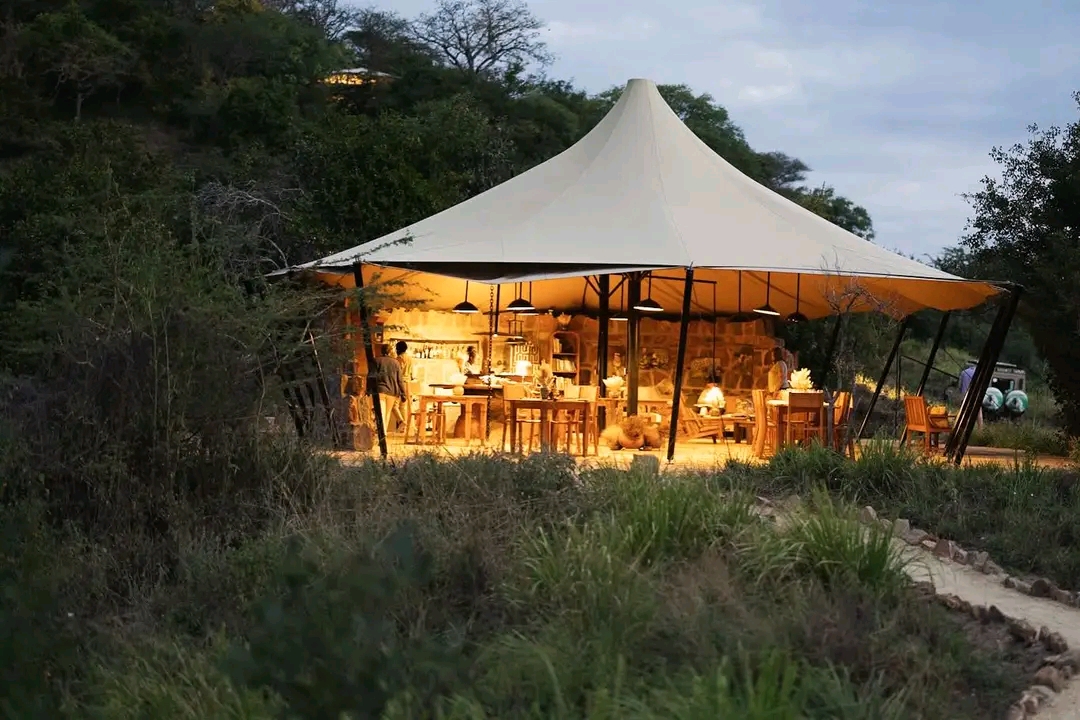
Mkomazi's accommodation scene is deliberately low-key. This isn't the Serengeti with luxury lodges every 20 kilometers. Options are limited, which is part of the park's appeal - but it also means you need to plan ahead.
Inside the Park:
Public campsites: Basic facilities (pit toilets, no showers). Bring all your own gear. Cost is around $30 per person per night. This is true wilderness camping - you'll hear animals at night. Magical but rustic.
Special campsites: More private, slightly better facilities, but still very basic. Must be booked through TANAPA in advance.
In Same Town (30 minutes from park):
Several guesthouses and small hotels ranging from budget ($15-30) to mid-range ($40-80). Same is a real working town, not a tourist hub, which means authentic local experience and zero tourist markup on food/supplies.
Basic but clean accommodations. Don't expect boutique charm, but you'll get comfortable beds, hot showers, and decent local meals.
Nearby Lodges:
A few safari lodges operate on the park periphery or on adjacent conservancies, offering more comfort with easier park access. Prices range from $150-300 per person per night, typically with meals and some activities included.
Book ahead during high season (June-October). While Mkomazi isn't crowded, the limited accommodation fills up, especially the better options. If you're camping, confirm campsite availability and whether you need to book in advance or can sort it at the gate.
Practical Bits: What You Actually Need to Know
What to Pack:
Binoculars (seriously, for the birds and distant wildlife)
Camera with zoom lens (animals won't be as close as in Ngorongoro Crater)
Sun protection: hat, sunscreen, sunglasses (it's DRY and sunny)
Layers: mornings can be cool, midday scorching
Dust protection for camera equipment (red dust gets everywhere)
If camping: full camping gear, extra water, headlamp, warm sleeping bag
Park Regulations:
Stay in your vehicle except at designated areas
Rhino sanctuary requires mandatory guided vehicle
No off-road driving
Gates close at 6 PM (be back by then or arrange special permission)
Speed limit: 50 km/h maximum, slower on rough roads
Guides and Rangers:
Armed ranger escort is mandatory for rhino sanctuary visits
Park guides are optional for general game drives but highly recommended- they know where animals tend to be and spot things you'll miss
Cost: around $20-30 per day for a guide
Health and Safety:
Malaria is present - take prophylaxis and use repellent
Bring plenty of water - it's hot and dry
No medical facilities in the park; nearest clinic is in Same
Wildlife is wild - don't approach animals, don't get out of vehicle except at designated spots
Cell phone coverage is patchy to non-existent in most of the park
The Honest Verdict: Should You Go?
Mkomazi won't work for everyone, and that's fine. If you want wall-to-wall wildlife action, the Serengeti is that way. If you want luxury lodges with infinity pools overlooking waterholes, look elsewhere.
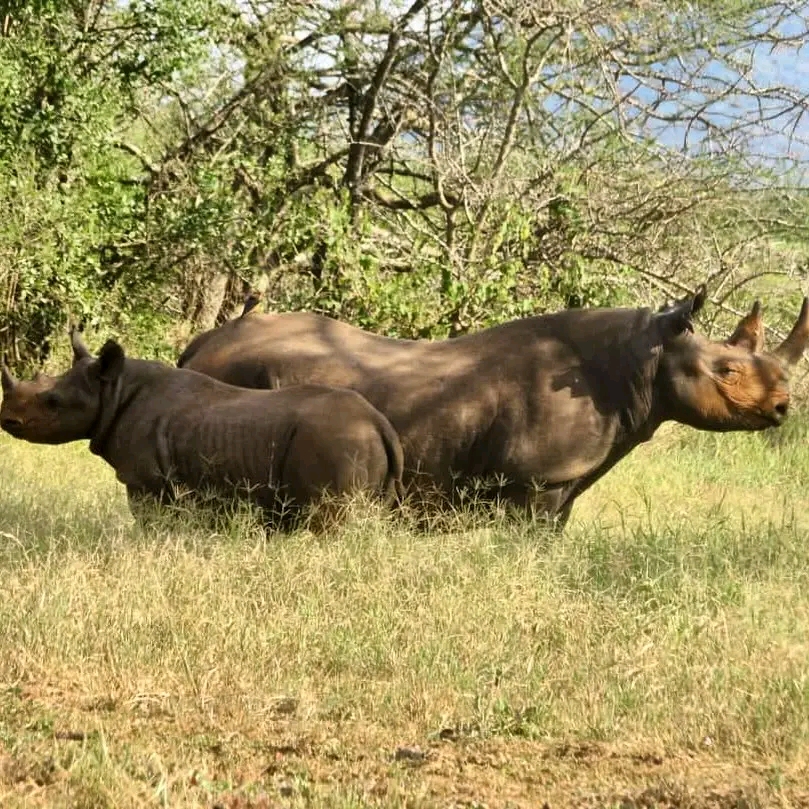
But if you want to see critically endangered Black Rhinos in a situation where you're nearly guaranteed a sighting, if you want a legitimate shot at African Wild Dogs, if you appreciate landscapes that look like they belong in a Western film directed by Terrence Malick, and if the idea of driving for an hour without seeing another tourist vehicle sounds like paradise rather than a problem - then yes, absolutely go to Mkomazi.
It's the park for people who've moved past the "I just want to see lions" phase and into the "I want experiences that feel real and uncommodified" phase. It rewards patience, curiosity, and the willingness to appreciate subtlety. The desert-mountain scenery alone is worth the drive. The conservation programs give the visit purpose beyond pure entertainment.
“In a world of over-touristed safari parks, Mkomazi remains refreshingly raw, authentic, and uncommercial. That's not a bug - it's the feature.”
Last Mwakalinga
After the Dust of Mkomazi, You'll Want the Ocean
Many travelers combine Mkomazi with Tanzania's stunning coast - the logical next step after desert landscapes. From Same, it's a straight shot to the pristine beaches of Pangani, historic Bagamoyo, or the spice-scented shores of Zanzibar.